


What is the difference between 2D, 3D, 4D, and 5D ultrasound?

The different types of ultrasound can sound confusing at first, but the basic idea is simple. Each one shows baby in a different way. Let's jump into it!
2D ultrasound shows a flat black and white view
2D ultrasound is the traditional ultrasound style most people recognize. It shows a flat, black and white image of baby in cross-section.
This is the type often used in medical settings because it is helpful for looking at structures inside the body. You may see baby’s profile, spine, heartbeat, arms, legs, hands, or feet.
2D is also commonly used during elective sessions to check baby’s position before switching to 3D or 4D.

2D Ultrasound
3D ultrasound shows still images with depth
3D ultrasound creates a still image with depth and shape. Instead of a flat cross-section, it can show the contours of baby’s face and body.
This is the style families often love for keepsake photos. If baby is in a good position, 3D can show cheeks, lips, nose, fingers, and facial expressions.
A 3D image works best when there is fluid in front of the area being viewed. If baby’s face is pressed against the placenta or covered by hands, the image may be less clear.

3D ultrasound
4D ultrasound shows real-time movement
4D ultrasound is 3D ultrasound in motion. It shows baby moving in real time.
This may include yawning, stretching, smiling, blinking, sucking a thumb, or making little facial expressions. For many families, 4D is the most memorable part of the visit because it feels like watching baby’s personality peek through.
The “fourth dimension” is time, which is why 4D shows movement instead of only a still image.
5D ultrasound adds enhanced image processing
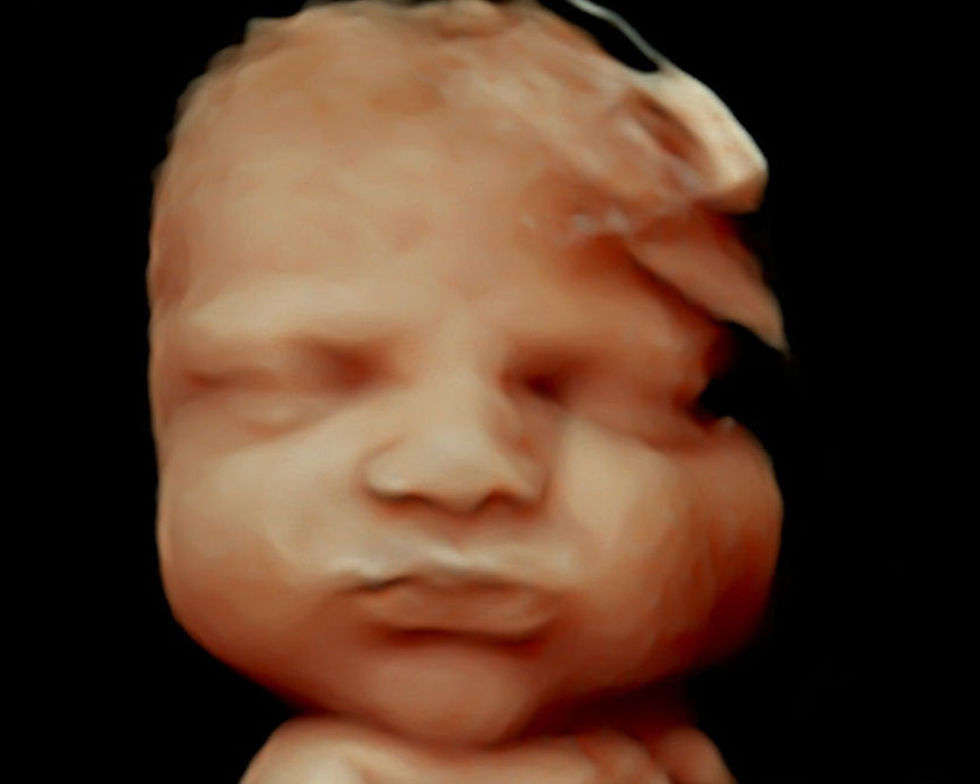
5D ultrasound is not a separate dimension in the medical sense. It is a style of enhanced image processing used by some ultrasound systems. It may create smoother skin tones, softer lighting, and a more lifelike appearance.
Some people also hear terms like HD, HD Live, or realistic view. These usually refer to advanced rendering styles that change how the 3D image looks on the screen.
The quality still depends on the same basics: baby’s position, fluid, placenta location, gestational age, movement, and the techs experience.

5D ultrasound


Comments